Feedcoyote: initial scope in 4 months against a 7-month plan → a CRM turned into a paid business network
Feedcoyote
- Industry
- B2B SaaS & AI
- Service
- New product build
- Team
- Frontend and backend, about 100 hours a month after launch
- Stack
- Java · Angular · GCP · Ionic
- Timeline
- 2 to 3 weeks of discovery · initial scope in 4 months
About Feedcoyote
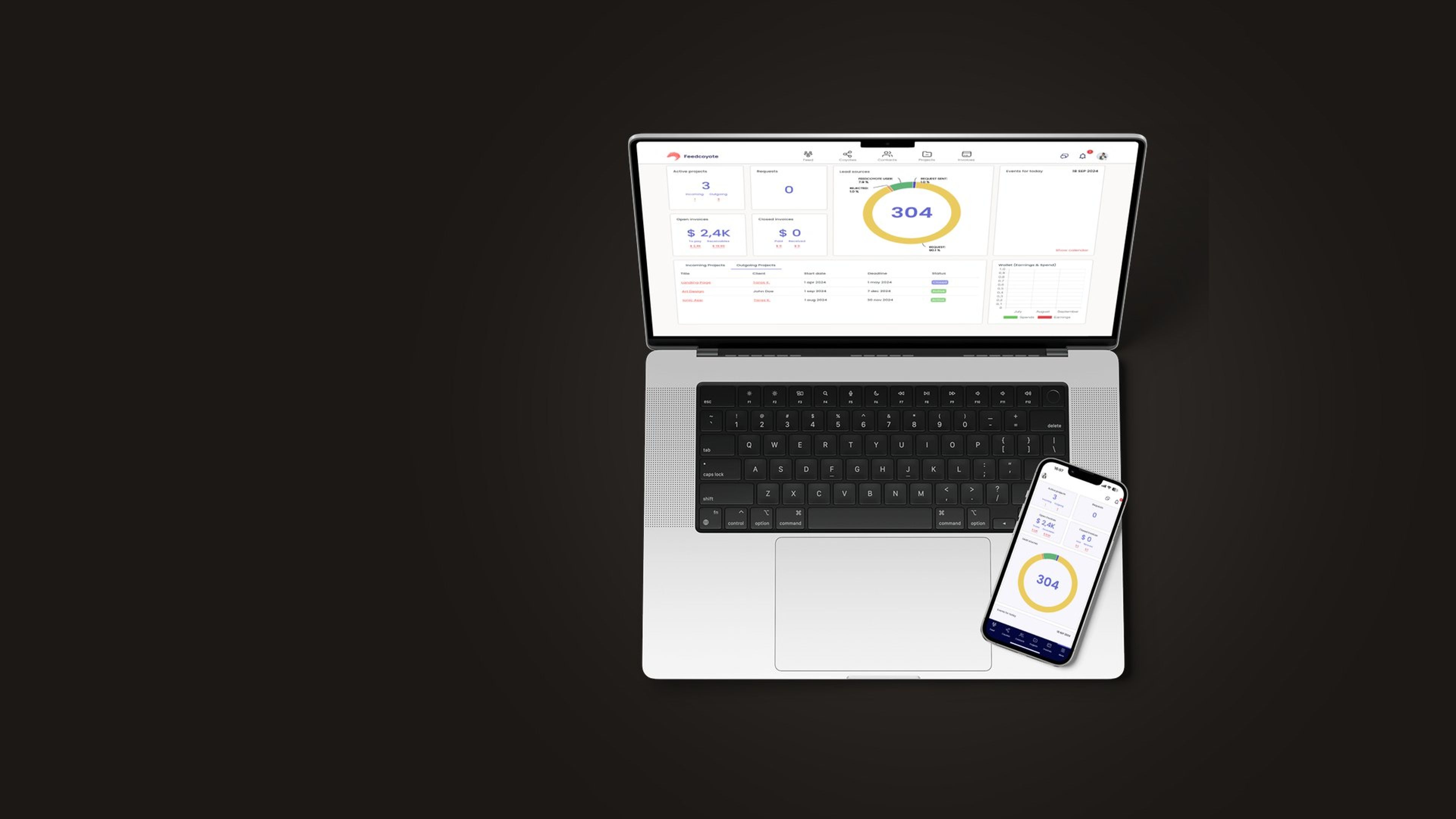
Feedcoyote combines professional networking, opportunities for freelancers and productivity tools. It started as a CRM and later made its social network the main part of the offering.
The founder had no technical co-founder and no engineering team in house. The product needed an established team that could turn the concept into a working platform within a limited budget.
The challenge
Business challenge
The first CRM was basic, with limited functionality that did not match the business need, and funding had to be raised on an early-stage prototype. As the platform grew toward a social network, paid access had to fit a product that depends on engagement, not on a trial of CRM features.
Technical challenge
A product concept had to become a working platform without hiring an internal team first. That meant clear scope, architecture and delivery expectations before any code was written.
Delivery challenge
After the initial launch the engineering allocation shrank to a support level of roughly 100 hours a month, split between frontend and backend. Support, new features and product decisions all had to fit inside it.
What CodeLions built
For the technical challenge: discovery first, then the platform
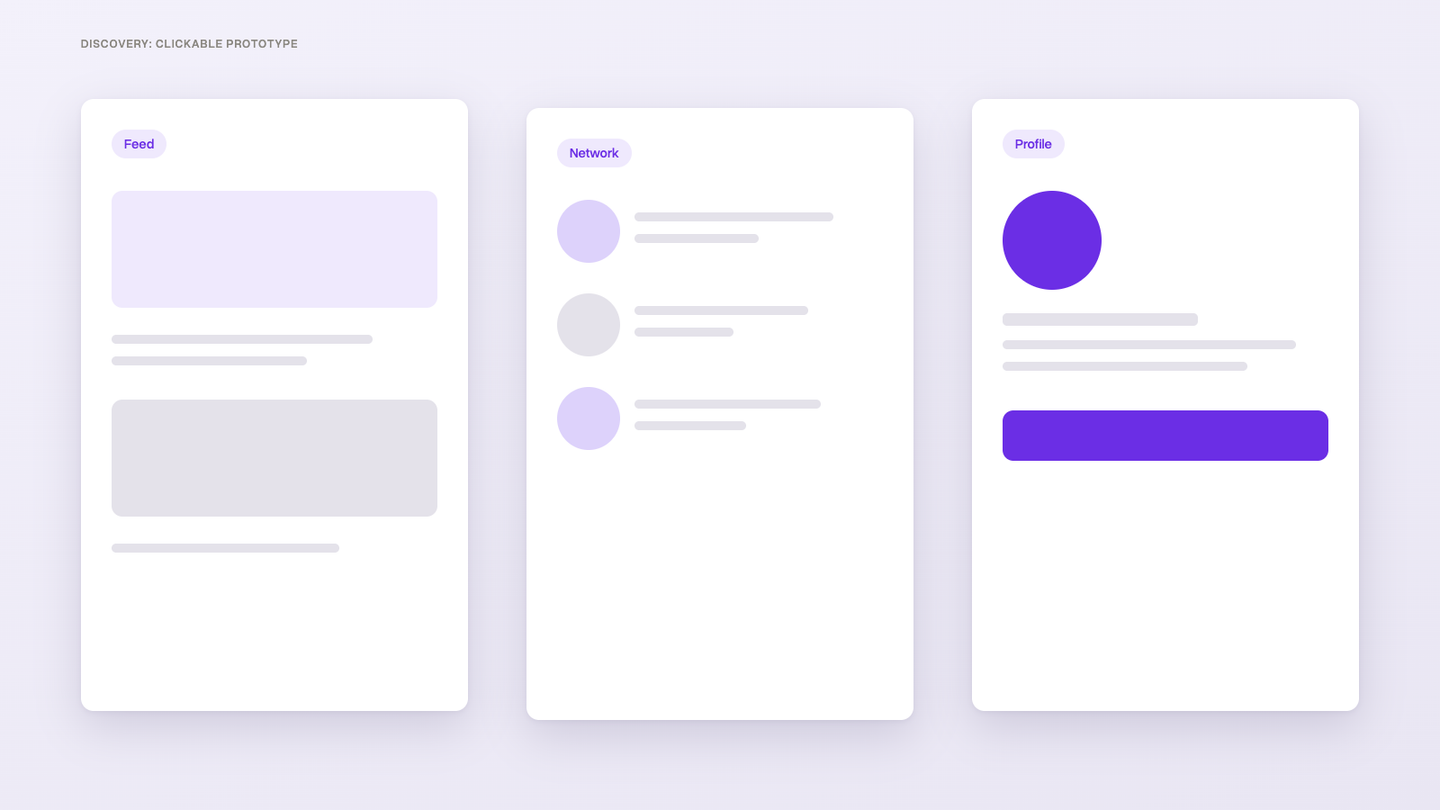
The engagement began with two to three weeks of discovery. It produced a clickable prototype, the design and architectural documentation, which gave the founder something to raise money on and gave engineering a clear scope.
The initial scope was completed in four months against a seven-month plan. The product reached the market about two to three months earlier than expected, and a working product with early traction supported investor conversations.
For the business challenge: a product review that changed how users pay
As the social network became the core of the product, CodeLions added product guidance on top of the monthly engineering allocation, while the existing engineers kept implementing.
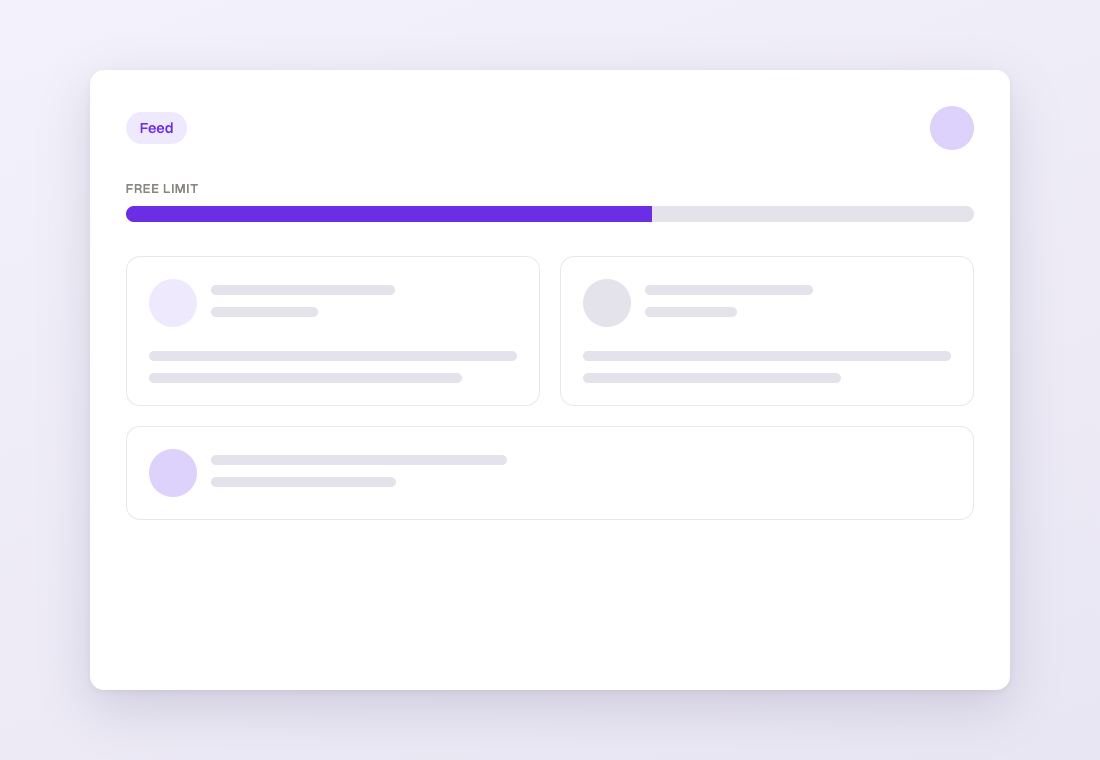
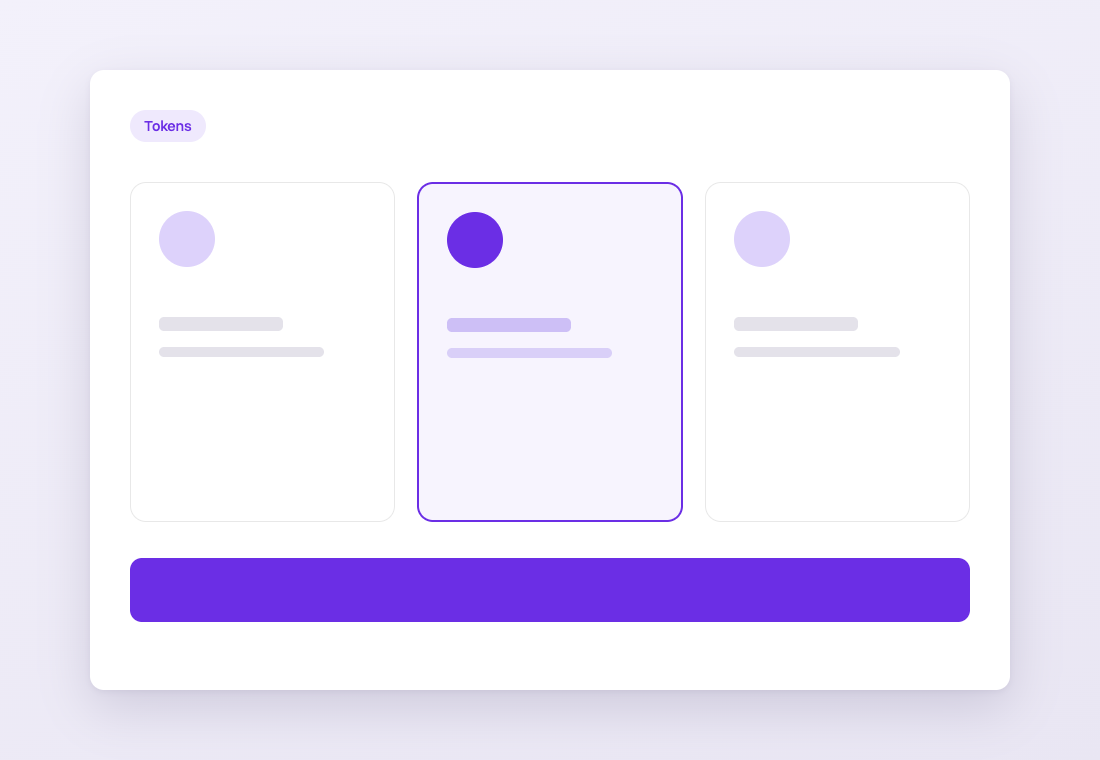
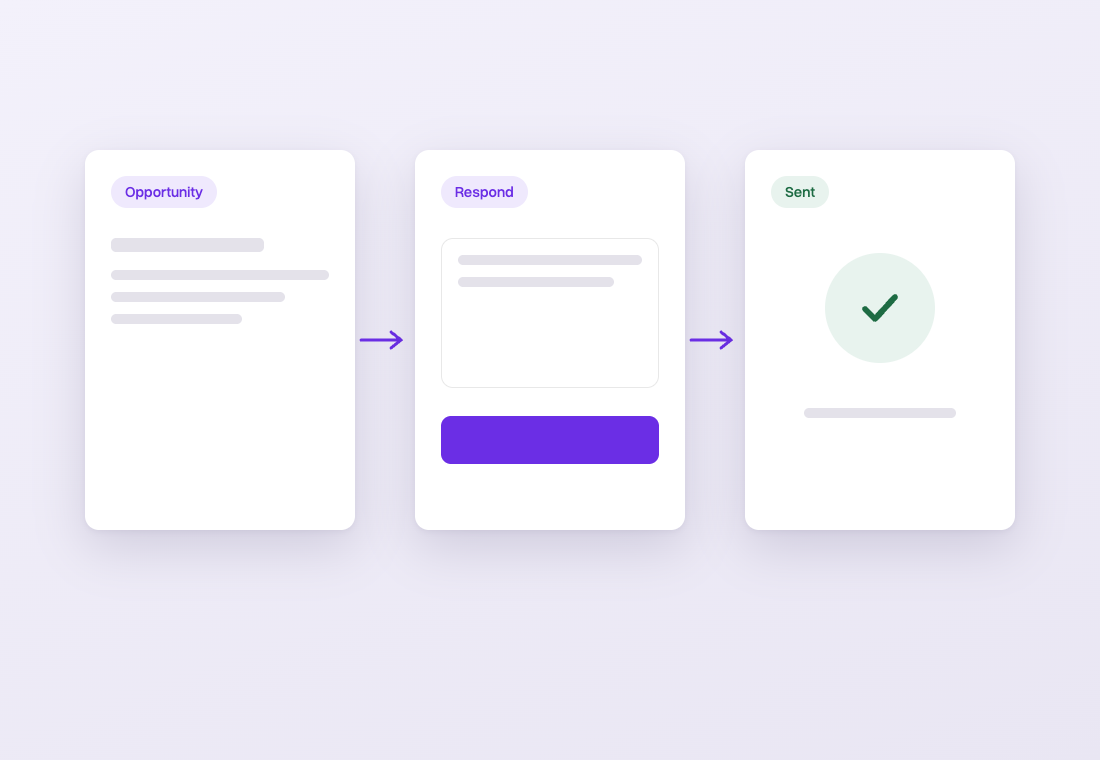
The team reviewed the user journey and the value proposition, and redesigned access to core actions. Users could complete core actions within free limits and buy additional activity with tokens. The model was applied across posting, responding to opportunities and job aggregation, instead of treating every action as a reason to ask for payment.
The team also recommended putting more acquisition emphasis on users who create work and demand on the platform, particularly in the United States and Europe.
For the delivery challenge: guidance inside a small allocation
The existing engineers received guidance on the user journey, value proposition and monetization decisions, so prioritization stayed consistent during the support phase. Implementing the changes took about two months, within a broader product intervention of about four months.
Outcomes
| Before | After | |
|---|---|---|
| Access to value | Some core actions were locked behind payment | Core actions work within free limits, extra activity is paid with tokens |
| Monetization | Subscription and trial-based access | Token-based payments for additional usage in several areas |
| Acquisition | Emphasis on regions with strong job-seeker participation | Recommended emphasis on demand-side users in the United States and Europe |
| Product direction | Support phase with no steady product prioritization | Ongoing guidance on journey, value proposition and monetization |
During the product intervention, the team reports roughly fivefold revenue growth from a baseline of about $200 a month, and 2 to 3% paid conversion. These are team estimates for the intervention period, not an established long-term trend.
What the client says
“I've had the opportunity to work with Volo and the CodeLions team during a time of uncertainty in Ukraine. However, I was very impressed to see their level of dedication to still deliver my product on time.”
What is next
The next phase would focus on architecture improvements, infrastructure cost optimization and revised email-delivery logic. These sit outside the completed scope and would need additional engineering investment.
Other case studies

Rebuilt Pebbles Ai mid-flight → production-ready beta in ~4 months, revenue from month one
Read the story
FinTech rewards platform: seven-person embedded team → a feature every two-week sprint
Read the story