 HealthTech · Product development
Knowetic: from a no-code prototype to an MVP and production app → 150+ patients onboarded in six months

Robert Beer, Chief Technology Officer, Knowetic
- Industry
- HealthTech
- Service
- New product build
- Stack
- Java · Angular · Azure
- Region
- United States
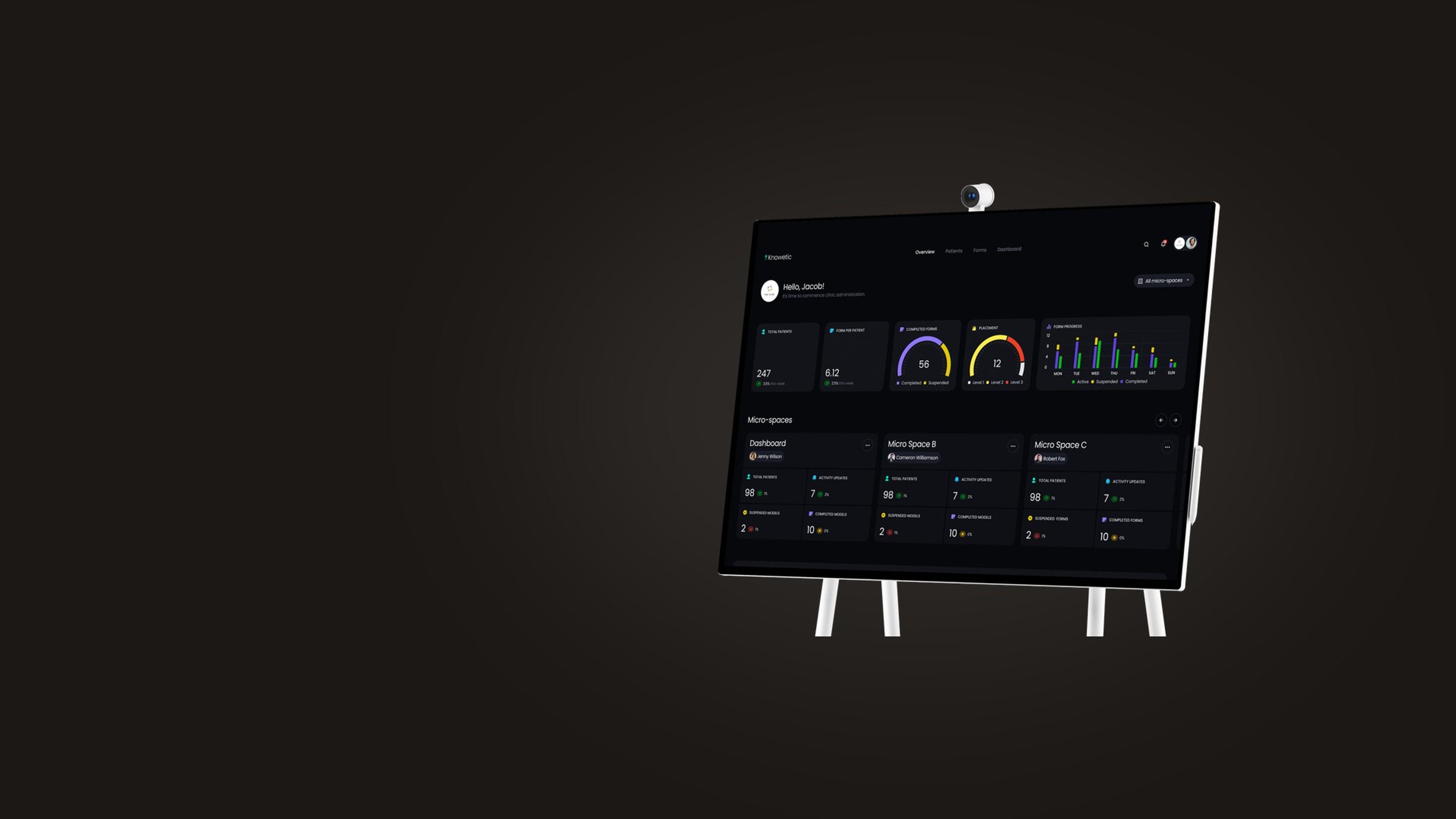
About Knowetic
Knowetic is an autism care navigation platform for the US market.
The product started as the founder's idea. Knowetic's Chief Technology Officer turned that idea into a no-code prototype. The next step was a full software product with AI capabilities, in a medical context where patient data falls under HIPAA privacy and security requirements.
The challenge
Knowetic needed to move beyond its no-code prototype. Hiring an in-house engineering team was too expensive at that stage, so Knowetic looked for an external engineering partner.
Business challenge
Knowetic had limited initial traction and needed to attract investors. It also had to earn the trust of potential customers for a young product in a medical field. There was no brand identity or UI foundation yet to carry either conversation.
Technical challenge
The technical solution itself had to be defined and then built: the product scope, the architecture and the AI capabilities the founder had in mind. The medical context added a constraint to every feature, because HIPAA privacy and security requirements had to be addressed throughout development.
Delivery challenge
Requirements came from the founders and the clinical team, phrased in clinical terms. Someone had to turn them into tasks a development team could build. The work would run across a large time-zone gap, with Knowetic in the US and engineering in Ukraine. And the founder initially had reservations about working with a European company at all.
Why CodeLions
CodeLions came recommended by people the founder trusted, including contacts in her funding network. Those recommendations helped her get past the reservations she had about a European company.
Cost was the other deciding factor. By the client's estimate, CodeLions could provide comparable services for roughly one-quarter of the US price.
The recommendations started the conversation. Trust then grew through hands-on evaluation of the team's planning process, its technical expertise and what it delivered.
How the work started
The engagement began with a fixed-price contract and a paid planning phase. Knowetic's Chief Technology Officer explicitly supported investing in planning, mockups and wireframes as protection against more expensive recoding later. Prototype development and planning for the production software ran in parallel.
As confidence grew, Knowetic moved to the pricing structure CodeLions had recommended from the beginning.
What CodeLions built
For the business challenge: a prototype for fundraising and a UI foundation
CodeLions crafted an interactive prototype with two jobs. It supported Knowetic's fundraising, and it gave users an intuitive, user-friendly experience to react to before the production build existed. Knowetic's own case documentation describes the prototypes and design as part of its fundraising strategy.
The same design work laid the product's UI foundation. Prototype development ran in parallel with planning for the production software, so the fundraising track and the engineering plan moved forward together.
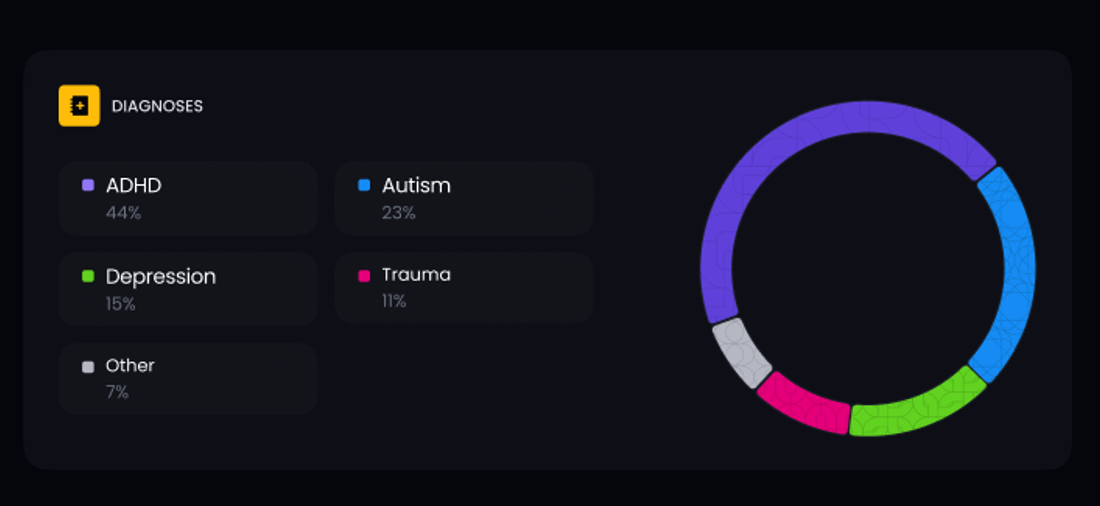
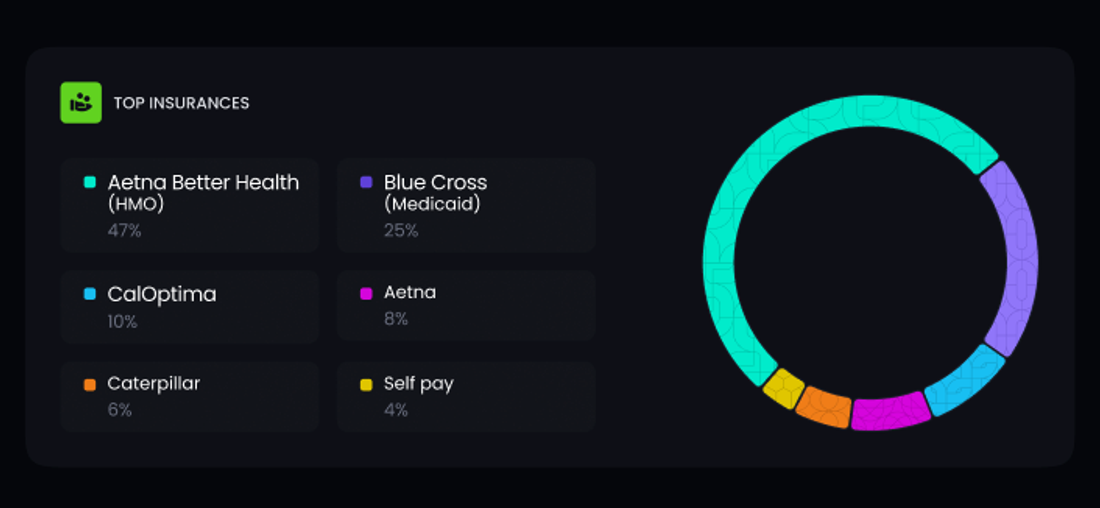
For the technical challenge: scope, architecture and AI built from scratch
CodeLions designed the product scope and architecture from scratch and built the production system on Java, Angular and Azure.
Patient intake runs through onboarding forms and surveys. Knowetic's clinical team had developed its own questionnaires, and CodeLions integrated them into assessment models that evaluate patient status. The questionnaires and the clinical logic behind them belong to Knowetic. CodeLions built the software that runs them.
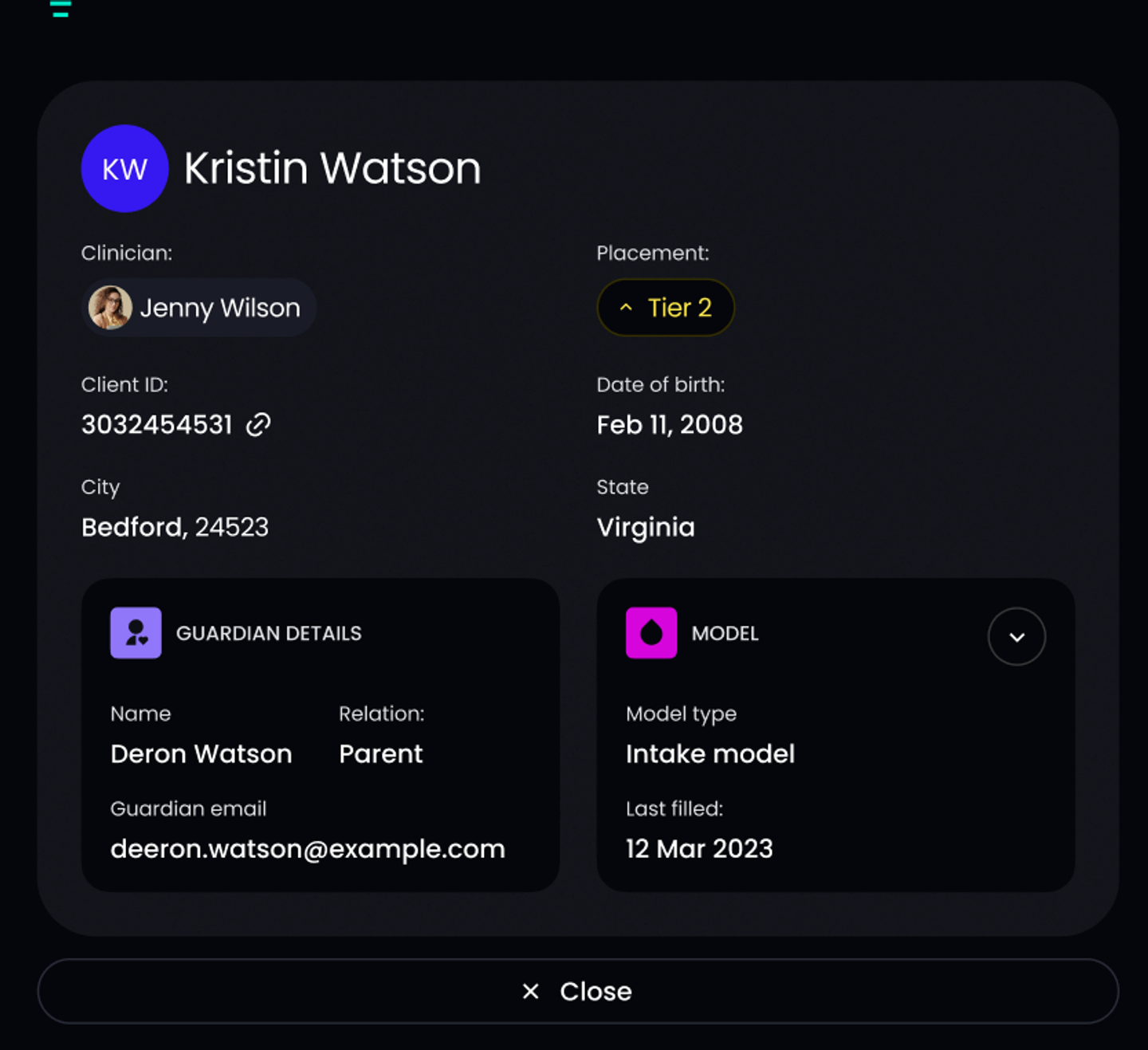
A custom AI chatbot answers users' inquiries inside the product.
HIPAA privacy and security requirements were addressed throughout development, from the first planning phase to the production application.
For the delivery challenge: a two-step path from clinic to code
Requirements passed through two people. Knowetic's Chief Technology Officer translated the needs of the founders and the clinical team into workable programming ideas. Vitalii Lototskyi, Chief Technology Officer and Solution Architect at CodeLions, translated those ideas into development tasks.
Knowetic singled out this split as particularly valuable. Its Chief Technology Officer focused on management and product needs, while Vitalii worked closer to the code and the development team.
The time-zone difference turned into an advantage: development progressed while the US team was offline.
The commercial model followed the same gradual logic. A fixed price and a paid planning phase let Knowetic evaluate the team before committing further, and the move to the pricing structure CodeLions had recommended came once that evaluation was done.
Outcomes
| Before | After | |
|---|---|---|
| Product | No-code prototype | MVP and production application delivered |
| Funding | Limited initial traction | $1.2M in funding secured by Knowetic |
| Engineering cost | In-house team too expensive at that stage | Comparable services at roughly a quarter of the US price (client estimate) |
| Partnership | Fixed-price start with a paid planning phase | Moved to CodeLions' recommended pricing, no plans to switch providers |
CodeLions delivered both the MVP and the production application. Knowetic expressed satisfaction with the product's quality, functionality, design and overall structure.
Knowetic onboarded 150+ patients in the first six months, according to its case documentation.
Knowetic secured $1.2M in funding. Its case documentation describes the prototypes and design as part of the fundraising strategy.
At the time of the interview, Knowetic had no intention of switching providers. The only potential reason it named was its own growth exceeding the team's capacity.
“CodeLions has successfully delivered the MVP and the production version of the application.”
Robert BeerChief Technology Officer, Knowetic · Clutch review summary, 5.0clutch.co/profile/codelions#reviewsWhat shipped
- Interactive prototype for fundraising and early user feedback
- Product scope and architecture, designed from scratch
- Onboarding forms and surveys
- Client-developed questionnaires integrated into assessment models of patient status
- Custom AI chatbot for user inquiries
Tech stack
Java on the back end, Angular on the front end, hosted on Azure.
From the Clutch review
Clutch publishes a summary of every verified review. This is the summary of Robert Beer's review as Chief Technology Officer of Knowetic, rated 5.0.
“CodeLions has successfully delivered the MVP and the production version of the application. The client is impressed with the team's exceptional management, strong communication, and easygoing demeanor. The team's competitive pricing structure and high-quality deliverables have pleased the client.”
Robert BeerChief Technology Officer, Knowetic · Clutch review summary, 5.0clutch.co/profile/codelions#reviewsOther case studies
FinTech rewards platform: seven-person embedded team → a feature every two-week sprint
Read the story
AI guardrails in 10 weeks → 94% fewer unsafe automated decisions, zero critical audit findings
Read the story