The proposal comes with no explanation: you can't tell if it covers your requirements or if the schedule will hold.
This results inYou sign the half-price one, the deadlines go, the code is rewritten. The business pays twice, under your name.
Before you sign a six-figure build, learn what in the proposal is missing, what isn't needed and which trade-offs were never discussed with you. Two weeks, a fixed €6,000, led by a Solution Architect, with options you can defend to management.
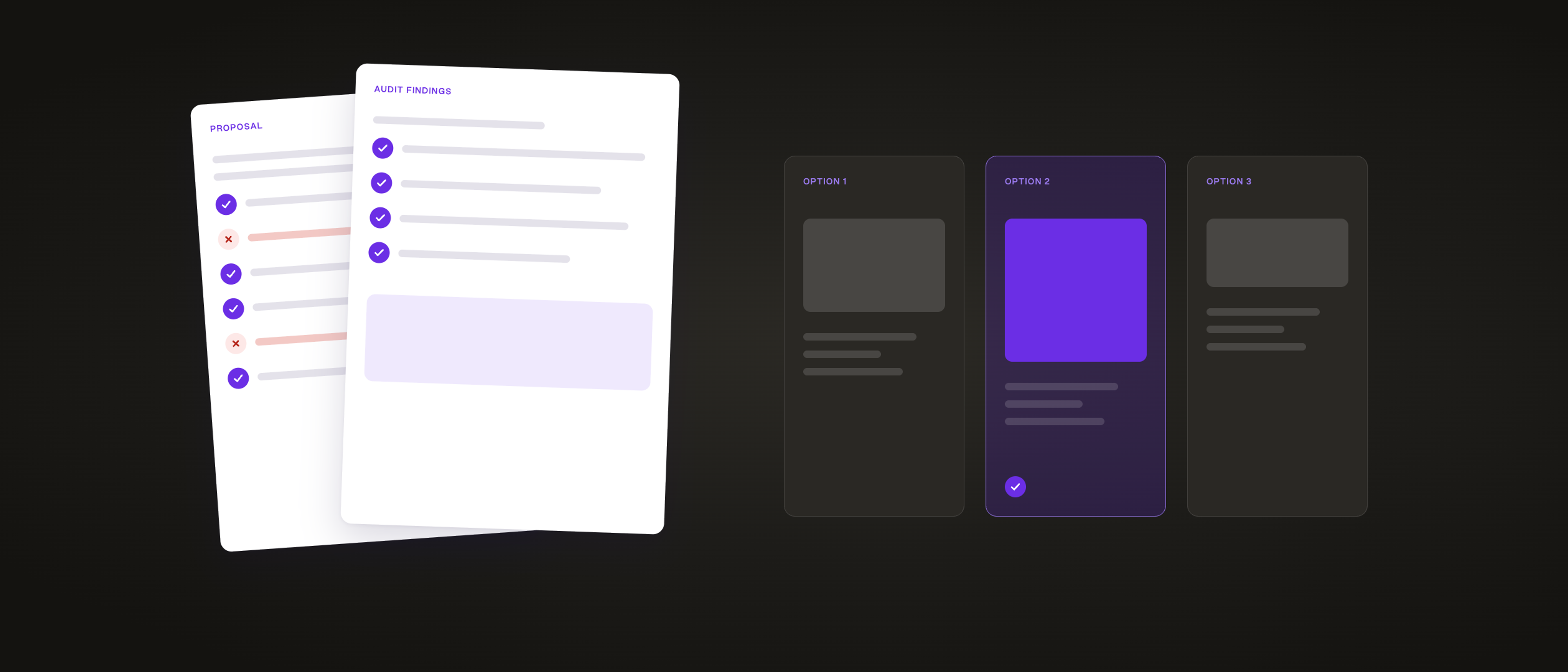
You know every business goal is covered in the proposal and every trade-off is written down. You can explain to anyone why each decision was made and what it leads to, and the price feels fair for what you get.
Measured in: every management question closed in the room, releases on the dates in the proposal, and goals delivered within the budget you signed, with no scope creep after the signature.
The proposal comes with no explanation: you can't tell if it covers your requirements or if the schedule will hold.
This results inYou sign the half-price one, the deadlines go, the code is rewritten. The business pays twice, under your name.
The budget is too big, and nobody can say what in it the business needs and what is missing.
This results inA year of paying for modules nobody asked for, then a second budget for the ones left out.
The proposal is too shallow, so you can't tell if the vendor understood the business goal.
This results inYou defend a decision you don't fully understand, and the first hard question lands on you.
Without CodeLions you have three paths.
What it does wellThe procurement box is ticked and someone is accountable for building it.
Where it falls shortYou sign the vendor's plan, not yours. Nobody has checked whether it covers what the business needs or why it is built this way, and a new team is the biggest risk on the table. Your name is on the decision and on the rework.
What it does wellTechnical sign-off from people who know the stack.
Where it falls shortA technical yes from the wrong seat. They check whether the stack is sound, not whether the plan serves the business goals, and nobody is accountable for the answer. Management hears "it's fine" instead of "why this much".
What it does wellFast and free; the quotes anchor the price.
Where it falls shortMore numbers, same question, same owner. The quotes price the same assumptions, and a chatbot checks the wording, not what this scope really costs. None of them answers for the decision.
Every epic and ticket is mapped to the business target it serves. What serves no target is flagged as not needed or over-engineered, what the roadmap needs but the proposal lacks is flagged as a gap, on one page you can put next to the proposal in the management meeting.
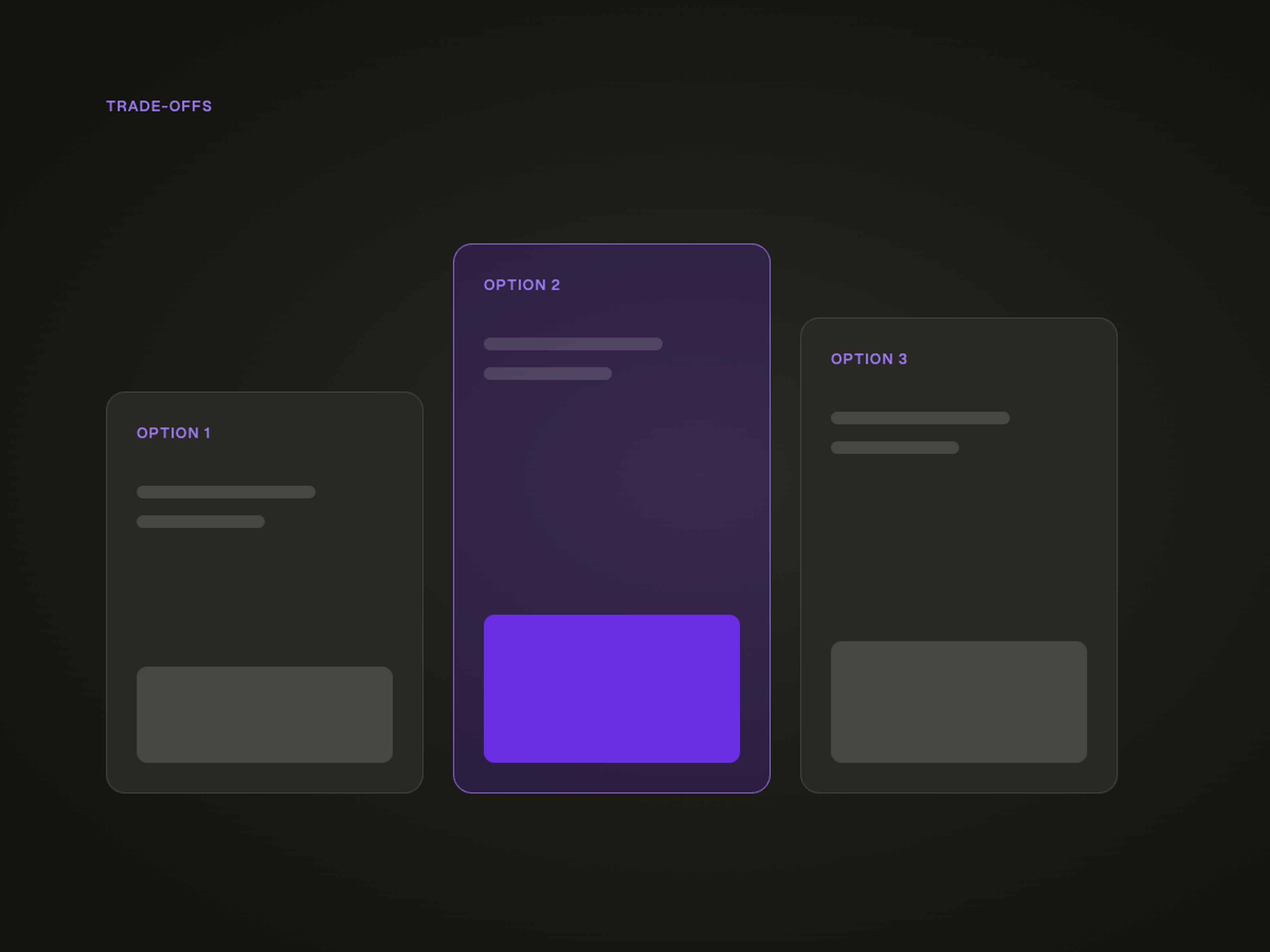
Two or three team and investment options, each with scope, monthly cost, release dates and what is in, what waits and what is cut, so you propose a choice to the budget owner instead of defending a single figure.
The audit is written for a non-technical director and for procurement: a delivery plan in work phases with dates, an architecture diagram, the pros and cons of each option and the questions to put back to the vendor.
A scope that matches the roadmap: nothing the business doesn't need signed for years, nothing it needs left out for a second budget.
Architecture, code, infrastructure, security, legacy and technical debt, enterprise-readiness. Each area is scored.
Every risk with a priority and the cost of inaction, plus a plan with owners and dates.
The architecture improved module by module, each step with a timeline we commit to.
The next 6–12 months in releases with dates, each tied to the business result it serves, with estimates and the dependencies and risks that could move a date. Written for a non-technical director.
Scope × team (people and AI agents) × monthly cost × release dates, with the trade-off each makes. The prices are options to compare, not a single quote.
A 2-page summary and a presentation of the findings to your leadership, together with you.
Review: the vendor's proposal re-read against your roadmap, plus the questions to put back to the vendor. Takeover: a vendor hand-over checklist (access, repositories, documentation, continuity risks). Next Version: the v2 architecture and epic backlog, with how many people, how long and which parts an AI agent can do.
A proposed team composition with a change roadmap and a fixed-price Proof Sprint scope. Every document is yours and works with any vendor.
Confidence in the decision you sign: every business goal is covered, every trade-off is written down, and you can explain why each decision was made.
“I saved the company budget.”
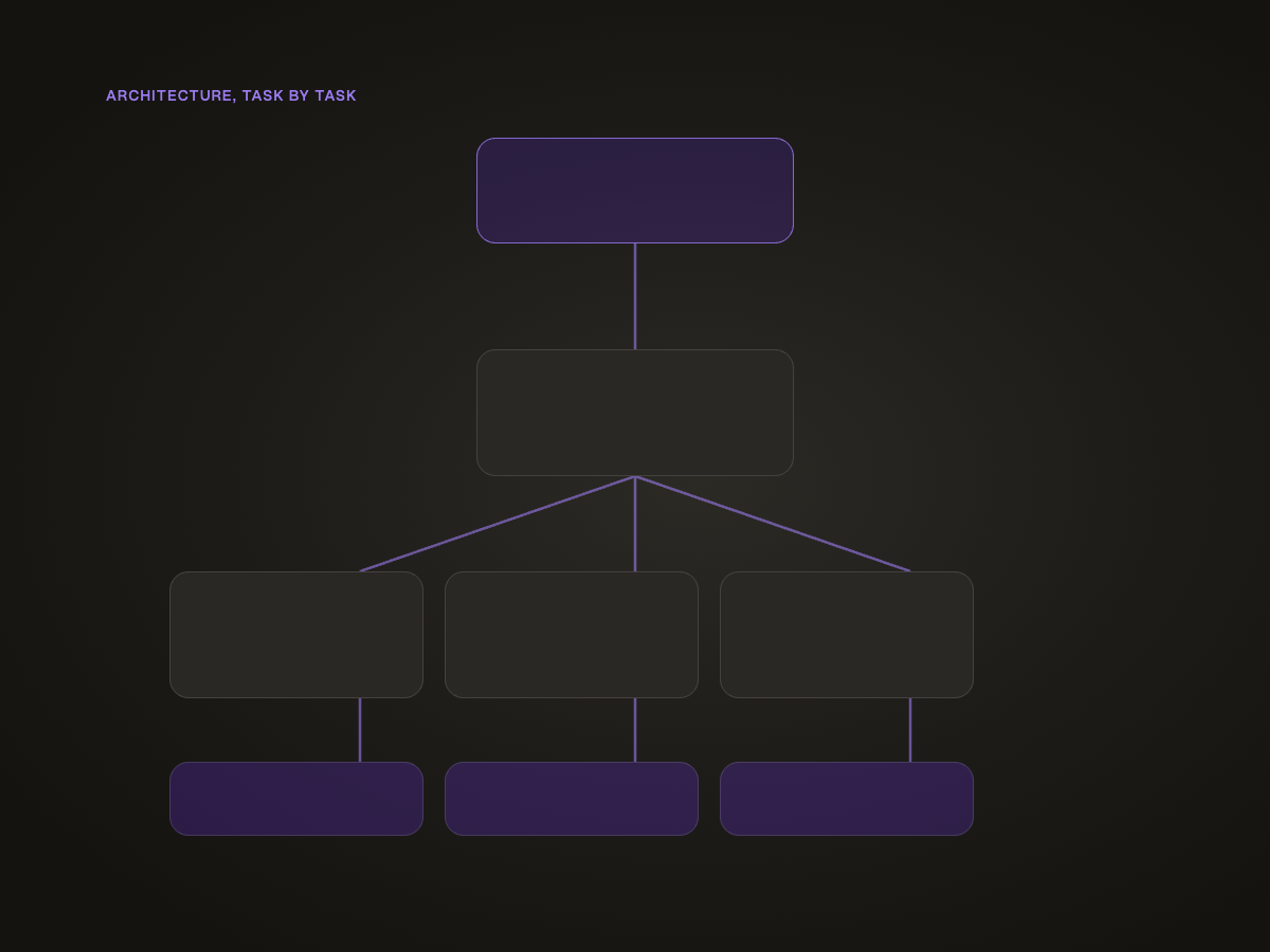
An estimate you can check. Where a vendor gave one number, you get the plan broken down task by task, with an architecture diagram and the pros and cons of each option.
Options, not a verdict. We show what can be done under a smaller budget, explained for a non-technical director and for procurement. If a smaller build or no build is the better answer, the audit says so, and if it finds nothing to cut or de-risk, it is free.
A second opinion that doesn't replace your vendor: it checks the proposal before you sign, and the document is yours whatever you decide. If a smaller module is enough, the same team builds it as a Proof Sprint.
Product Owners, product managers and non-technical founders at fintech and financial-services companies
Fixed €6,000, a standalone fee. Large platforms are audited in stages, module by module, each stage priced separately. If we find nothing to cut or de-risk, the audit is free.
Before you sign a six-figure build, get an independent opinion on what the proposal covers, what it leaves out and what the trade-offs are, with options you can defend to your board.
Book a callA second opinion doesn't replace your vendor. It checks the proposal before you sign, and the document is yours, even to renegotiate with your current vendor.
Do, and bring the audit. Quotes price the same assumptions; the audit questions the assumptions, so the quotes become comparable and smaller.
Half the price is usually half the scope, and the nagging sense that something is left out is usually right. You don't have to show us the proposal: compare it with the depth of detail we deliver. If it still holds up, sign it. If it doesn't, a second opinion is two weeks.